
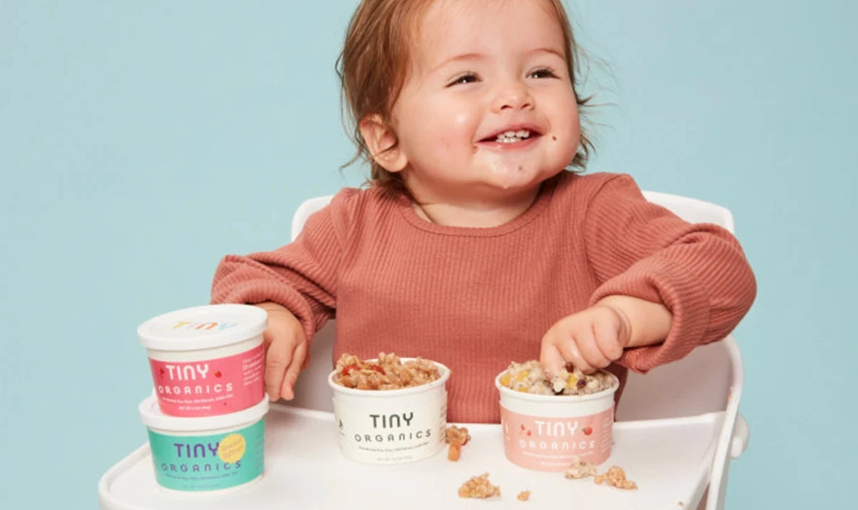
Organic Baby Food: Nutrition Choice for Growing Babies
Choosing Organic Baby Food is a common decision for parents who want cleaner ingredients, fewer artificial additives, and simple nutrition during the most sensitive stage of life. A baby’s body is still developing, so many parents prefer foods grown without synthetic chemicals and processed with minimal interference.
Organic baby food focuses on how ingredients are grown and prepared. It does not promise perfection, but it offers transparency and controlled production standards that many families value. The real goal is not just organic labels, but balanced nutrition, safe textures, and healthy eating habits that last beyond infancy.
What Makes Organic Baby Food Different
Organic Baby Food is prepared using ingredients grown under organic farming rules. These rules limit certain chemical inputs and focus on natural soil and crop practices. For parents, this means fewer unwanted residues and clearer ingredient sourcing.
However, organic does not automatically mean “better nutrition.” A baby still needs iron, healthy fats, protein, and calories. Parents should look beyond labels and check the actual nutritional value of each product.
Key features parents usually expect
-
Short and simple ingredient lists
-
No added sugar or artificial flavors
-
No added salt for baby meals
-
Age-appropriate texture guidance
-
Clear storage and use instructions
Organic Baby Food and Early Nutrition Needs
Babies grow rapidly in the first year. Nutrition during this stage supports brain development, immunity, and physical growth. Baby Food should not only fill the stomach but also support development.
Iron becomes especially important after early infancy. Many babies need iron-rich foods regularly, such as lentils, beans, vegetables paired with grains, or meat-based blends when age-appropriate. Organic options can support this when chosen carefully.
Important nutrients to focus on
-
Iron for healthy blood development
-
Healthy fats for brain growth
-
Protein for muscle and tissue growth
-
Fiber in moderate amounts for digestion
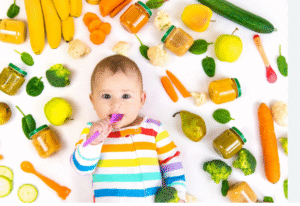
Role of Baby Food in Daily Feeding
Baby Food is not about quantity. It is about skill building and gradual exposure. Babies learn how to chew, swallow, and accept new tastes over time.
Early feeding should be slow and responsive. Organic foods can be introduced the same way as any other baby food, starting with smooth textures and gradually moving toward thicker and mixed textures.
Texture progression basics
-
Smooth purees
-
Thicker mashes
-
Soft lumps
-
Soft finger foods
Texture progression helps prevent feeding difficulties later and supports oral development.
Best Organic Baby Food: What Parents Should Look For
The phrase Best Organic Baby Food should not mean “most expensive” or “most advertised.” In real life, the best option is one that fits your baby’s stage, meets nutrition needs, and is easy for parents to use consistently.
A good organic baby food option includes vegetables often, limits fruit sweetness, and avoids unnecessary fillers.
Signs of a good organic baby food choice
-
Vegetables listed before fruits
-
Balanced blends instead of fruit-only meals
-
No added sweeteners
-
Clear age recommendations
-
Transparent nutrition information
Organic Baby Food vs Homemade Baby Food
Many parents ask whether homemade organic baby food is better. Both options can work well. Homemade food gives parents full control over ingredients and textures, while store-prepared options save time and ensure convenience.
The safest approach is a mix of both. Homemade foods can introduce variety, while ready-to-eat organic options can help on busy days.
Homemade organic baby food tips
-
Steam instead of fry
-
Avoid added salt and sugar
-
Store safely in small portions
-
Reheat only once
-
Maintain clean preparation habits
Organic Baby Food and Sweet Taste Balance
One common issue with baby feeding is over-reliance on fruit. Many organic products are fruit-heavy because they taste sweet and are easily accepted. However, too much sweetness can reduce acceptance of vegetables later.
Parents should balance fruit with vegetables and savory meals. This helps babies develop broader taste acceptance and healthier long-term eating habits.
Beechnut Baby Food: How to Think About Brand-Based Choices
Some parents search for Beechnut Baby Food when exploring organic options. When choosing any brand, the same rules apply. Read ingredient lists carefully, rotate foods, and avoid feeding the same product every day.
Brand names matter less than variety, balance, and safety. Parents should remain flexible and avoid dependence on any single product or brand.
Organic Baby Food and Ingredient Rotation
Variety is one of the safest feeding practices. Feeding the same food repeatedly can limit nutrient diversity and increase unwanted exposure to naturally occurring elements found in soil.
Rotating grains, fruits, and vegetables supports both nutrition and safety.
Simple rotation ideas
-
Alternate grains instead of using one daily
-
Mix vegetable types across the week
-
Combine fruits with vegetables
-
Rotate protein sources
Daily Feeding Structure Using Organic Baby Food
| Meal Time | Focus | Purpose |
|---|---|---|
| Morning | Iron-rich food | Supports growth needs |
| Midday | Vegetable-based meal | Builds savory taste |
| Afternoon | Fruit paired with fat | Improves fullness |
| Evening | Mixed texture meal | Skill development |
This structure is flexible and should adapt to baby readiness.
Organic Baby Food and Safe Allergen Introduction
Organic status does not change allergen risk. Allergenic foods should be introduced in safe forms when babies are ready, unless advised otherwise by a healthcare professional.
Introducing allergens in small, controlled amounts supports tolerance development.
Safety reminders
-
Introduce one new food at a time
-
Use soft, safe textures
-
Observe baby after feeding
-
Avoid whole nuts and hard foods
Common Mistakes Parents Make with Organic Baby Food
Even with the best intentions, some habits can limit nutrition quality.
Mistakes to avoid
-
Using fruit-only meals multiple times daily
-
Staying on smooth purees too long
-
Ignoring iron needs
-
Feeding the same food every day
-
Replacing meals with snacks
Awareness helps parents adjust gently without pressure.
Better Feeding Swaps for Organic Baby Food
| Common Pattern | Better Option | Benefit |
|---|---|---|
| Fruit-only pouch | Veg + grain blend | Less sugar exposure |
| Daily rice cereal | Mixed grain rotation | Better nutrient range |
| Sweet snacks | Soft fruit with yogurt | Higher nutrition |
| Only purees | Mash with soft lumps | Skill progression |
Organic Baby Food and Portion Sizes for Different Stages
Organic baby food should match a baby’s developmental stage rather than a fixed quantity rule. In early feeding stages, babies only need small tastes. Overfeeding can create discomfort and reduce interest in food. Parents should focus on signals like opening the mouth, leaning forward, and interest in the spoon.
As babies grow, portion sizes increase naturally. Offering small amounts and allowing second servings when the baby shows interest helps build healthy self-regulation. Organic foods work best when paired with responsive feeding, where the caregiver follows the baby’s hunger and fullness cues.
Simple portion guidance by stage
-
Early solids: a few spoonfuls per meal
-
Middle stage: small bowls of mashed or mixed foods
-
Later stage: several small meals with soft finger foods
-
Transition stage: family foods prepared safely
Organic Baby Food and Meal Timing
Meal timing matters as much as food choice. Organic baby food should be offered when the baby is alert and calm. Feeding during overtired or distracted moments often leads to refusal.
Spacing meals evenly across the day helps digestion and keeps energy steady. As milk intake gradually reduces, solid meals become more structured. Parents should keep routines flexible while maintaining consistency.
Helpful meal timing practices
-
Offer solids after milk feeds in early stages
-
Avoid forcing meals during fussiness
-
Maintain a relaxed eating environment
-
Keep mealtimes short and positive
Organic Baby Food and Long-Term Taste Development
Early exposure to different flavors shapes future eating habits. Organic baby food allows parents to introduce vegetables, mild herbs, and natural flavors without artificial additives. Repeated exposure is normal and necessary. Babies may need to see a food many times before accepting it.
Consistency builds familiarity. Even if a baby rejects a food initially, offering it again after a few days can lead to acceptance. This approach supports a broader palate and reduces picky eating later.
Ways to support healthy taste development
-
Offer the same food multiple times on different days
-
Pair new foods with familiar ones
-
Avoid masking flavors with sweetness
-
Introduce mild spices naturally through vegetables
Organic Baby Food in Family Mealtimes
Including babies in family meals encourages positive eating behavior. Organic baby food can be served alongside family foods prepared in a baby-safe way. This exposure helps babies observe chewing, social interaction, and meal structure.
Shared meals also reduce stress for parents and support consistency. Babies learn that eating is a social experience, not a task. Over time, they begin to mirror family habits.
Benefits of shared family meals
-
Encourages interest in food
-
Builds routine and predictability
-
Supports language and social skills
-
Helps babies accept a wider range of foods
Organic Baby Food and Storage Safety
Proper storage keeps organic baby food safe and nutritious. Once opened, store foods according to package instructions. Homemade options should be cooled quickly and stored in clean containers.
Reheating should be gentle, and leftovers should not be reheated more than once. Clean utensils and surfaces reduce contamination risk.
Safe storage reminders
-
Refrigerate opened food promptly
-
Label homemade food with dates
-
Discard food left at room temperature too long
-
Avoid feeding directly from storage containers
By paying attention to portions, timing, flavor exposure, and storage, organic baby food becomes part of a well-rounded feeding routine. These simple practices help parents build a calm, nutritious, and positive eating experience that supports growth and long-term health.
Conclusion: Building Healthy Habits with Organic Baby Food
Choosing Organic Baby Food can support a cleaner and more transparent feeding approach, but true nutrition comes from balance, variety, and safe feeding practices. Organic foods work best when combined with iron-rich meals, vegetables, and appropriate texture progression.
Parents should focus on rotating ingredients, limiting excessive sweetness, and following baby cues rather than rigid schedules. A calm feeding environment encourages exploration and acceptance.
Key habits to remember include:
-
Rotate foods regularly
-
Prioritize iron-rich meals
-
Limit fruit-only foods
-
Progress textures safely
-
Read ingredient labels carefully
When organic choices are paired with thoughtful feeding routines, they support healthy growth and long-term positive eating habits. Organic baby food is not about perfection, but about informed, consistent care.
Frequently Asked Questions
Is Organic Baby Food always safer?
Organic baby food follows controlled production standards, but safety also depends on handling, variety, and appropriate feeding.
What defines the Best Organic Baby Food?
Short ingredient lists, no added sugar, balanced nutrition, and age-appropriate texture.
Can Baby Food be organic and still unhealthy?
Yes, some organic foods are still overly sweet or low in essential nutrients.
Should I rotate foods regularly?
Yes, rotation supports nutrient balance and safety.
Is Beechnut Baby Food safe to use?
Parents should evaluate ingredients and rotate foods regardless of brand.
Is homemade organic baby food better?
Both homemade and prepared foods can be healthy when used properly.
How much fruit is too much?
Fruit should not dominate every meal. Balance is important.
When should texture be increased?
When babies show readiness such as chewing motions and sitting support.