
Weight loss for most people in the United States does not begin with extreme workouts or strict diet rules. It usually begins at home, with everyday food choices that are realistic, affordable, and easy to maintain. When people search for Best Foods For Weight Loss At Home, Best Foods For Weight Loss And Belly Fat, Best Foods For Weight Loss For Women, Best Foods For Weight Loss For Men, and Best Foods For Weight Loss Without Exercise, they are often looking for practical guidance that fits normal life, not complicated plans.
This article explains how food choices support healthy weight loss at home, how different needs apply to women and men, and how weight loss is still possible even without structured exercise. The focus is on balance, consistency, and long-term habits rather than quick results.
How Food Choices Influence Weight Loss
Weight loss happens when the body consistently uses more energy than it takes in, but this process is strongly influenced by food quality. Foods rich in protein, fiber, vitamins, and minerals help control appetite and reduce overeating. In contrast, highly processed foods often cause spikes in hunger and make portion control difficult.
Eating the right foods allows weight loss to happen naturally. Instead of counting every calorie, focusing on nourishing foods helps the body regulate hunger and energy levels. This approach supports sustainable weight loss without constant restriction or stress.
Best Foods For Weight Loss At Home
Eating at home is one of the most effective ways to support weight loss. Home meals allow control over ingredients, portion size, and cooking methods. This reduces hidden sugars, unhealthy fats, and oversized portions commonly found in restaurant or packaged foods.
Home-based weight loss foods should be simple, filling, and easy to prepare. Whole foods provide volume and nutrients without excess calories. Cooking at home also encourages mindful eating and better awareness of hunger and fullness.
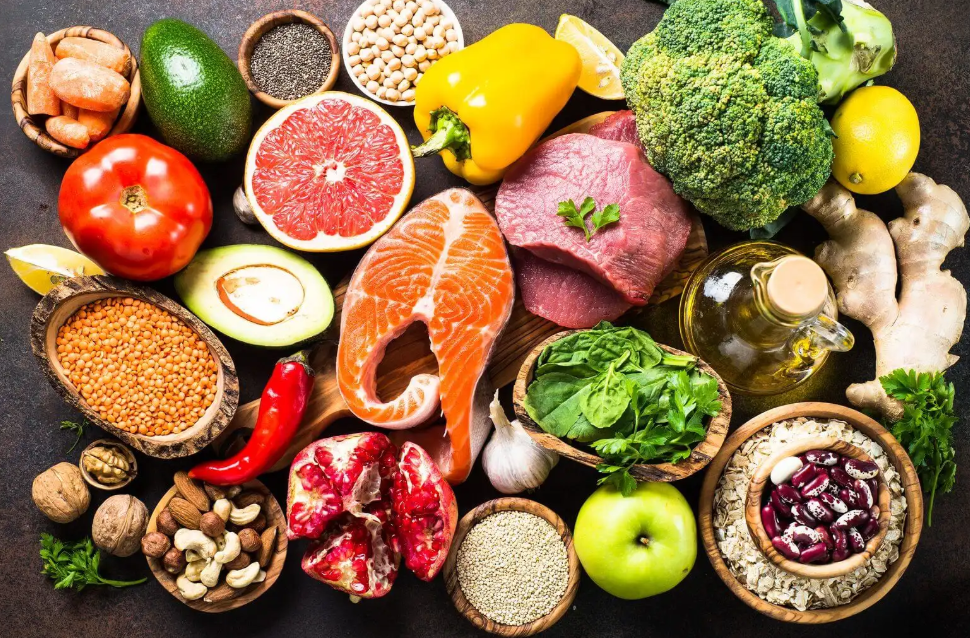
Good foods for weight loss at home include eggs, oats, brown rice, beans, lentils, chicken, fish, yogurt, leafy greens, berries, apples, and small portions of nuts and seeds. Using cooking methods like steaming, baking, grilling, and light sautéing helps maintain nutrition while limiting excess fat.
Creating Balanced Meals at Home
Balanced meals include protein, fiber, and healthy fats in appropriate amounts. Protein helps reduce hunger, fiber improves digestion and fullness, and healthy fats support satisfaction and nutrient absorption.
A simple home meal could include grilled protein, vegetables, and a whole-grain side. These combinations keep energy steady and reduce the urge to snack between meals.
Consistency matters more than perfection. Eating balanced meals most of the time creates steady progress without feeling deprived.
Best Foods For Weight Loss And Belly Fat
Belly fat is influenced by overall diet quality, stress, sleep, and blood sugar balance. While it is not possible to target fat loss in one area, reducing total body fat often leads to gradual reduction in belly fat.
Foods that stabilize blood sugar and reduce inflammation are helpful. These foods prevent sharp insulin spikes that encourage fat storage around the abdomen.
Vegetables, whole grains, berries, legumes, yogurt, fatty fish, chia seeds, and flaxseeds support gut health and appetite control. Reducing sugary drinks, refined carbohydrates, and frequent snacking also plays a major role in reducing abdominal fat over time.
Why Fiber Matters for Belly Fat
Fiber slows digestion and improves fullness, which reduces overall calorie intake. High-fiber foods also support healthy digestion and reduce bloating.
Vegetables, fruits, beans, and whole grains are excellent fiber sources. Increasing fiber gradually helps avoid digestive discomfort while supporting steady fat loss.
Best Foods For Weight Loss For Women
Women experience weight changes influenced by hormones, age, stress, and lifestyle. Weight loss foods for women should support energy levels, bone health, and hormonal balance while encouraging fat loss.
Extreme restriction can disrupt metabolism and increase cravings. Balanced nutrition works better for long-term success.
Foods that support weight loss for women include eggs, yogurt, beans, lentils, leafy greens, berries, oats, quinoa, nuts, seeds, olive oil, and lean proteins. These foods provide protein, fiber, calcium, and essential micronutrients.
Eating regular meals helps stabilize blood sugar and reduce emotional eating. Healthy fats in moderate amounts support satisfaction and hormone balance.
Supporting Women’s Health During Weight Loss
Iron-rich foods help prevent fatigue, while calcium-rich foods support bone health. Adequate protein helps preserve muscle mass as weight changes.
Women benefit from focusing on nourishment rather than restriction. Sustainable habits lead to better long-term results and improved well-being.
Best Foods For Weight Loss For Men
Men typically have higher calorie needs and more muscle mass, which affects how weight loss foods should be chosen. Protein plays an important role in preserving muscle while reducing body fat.
Men often benefit from structured meals that prevent overeating and reduce late-night snacking. Reducing sugary drinks and processed foods can significantly improve results.
Foods that support weight loss for men include lean meats, fish, eggs, beans, whole grains, vegetables, fruits, and healthy fats. Balanced meals help maintain strength while promoting fat loss.
Hydration and limiting alcohol intake also support better body composition and energy levels.
Maintaining Muscle During Weight Loss
Protein intake spread across meals supports muscle maintenance. Losing weight without preserving muscle can slow metabolism, making weight maintenance harder.
Strength-supporting foods combined with consistent eating habits help men achieve healthier results.
Best Foods For Weight Loss Without Exercise
Weight loss is still possible without structured exercise when food choices are managed carefully. Many people lose weight through diet changes alone, especially at the beginning.
Foods that support weight loss without exercise are those that reduce calorie density while keeping hunger low. High-protein and high-fiber foods increase fullness and reduce cravings.
Vegetables, fruits, soups, eggs, beans, lentils, yogurt, oats, and whole grains are effective choices. These foods provide volume without excess calories.
Eating slowly, avoiding distractions, and paying attention to fullness signals help control portions naturally.
Why Portion Awareness Matters
Without exercise, portion awareness becomes more important. Large portions can slow progress even when foods are healthy.
Using smaller plates, eating mindfully, and stopping when comfortably full support better control.
The Role of Protein in Weight Loss
Protein is essential for weight loss because it helps preserve muscle, increases satiety, and slightly boosts calorie burn during digestion.
Including protein in every meal reduces hunger and stabilizes energy throughout the day. This supports consistency and reduces overeating.
Protein sources include eggs, poultry, fish, beans, lentils, yogurt, cottage cheese, tofu, and nuts in moderation.
Fiber-Rich Foods and Appetite Control
Fiber helps regulate digestion and appetite. It slows nutrient absorption, which reduces hunger between meals.
Vegetables, fruits, legumes, whole grains, seeds, and nuts are rich in fiber. Gradually increasing fiber intake supports digestive comfort and long-term weight control.
Healthy Fats and Weight Loss
Healthy fats support satisfaction and help absorb fat-soluble vitamins. They do not cause weight gain when eaten in appropriate portions.
Olive oil, avocados, nuts, seeds, and fatty fish are healthy fat sources. Portion control is important because fats are calorie-dense.
Foods to Limit During Weight Loss
Reducing certain foods helps improve results without extreme restriction. Highly processed snacks, sugary drinks, refined carbohydrates, and frequent fast food meals often increase calorie intake without providing fullness.
Replacing these foods with whole options improves appetite control and energy balance.
Meal Timing and Weight Loss
Regular meal timing helps stabilize blood sugar and prevent overeating. Skipping meals often leads to intense hunger and poor food choices later.
Many people succeed with three balanced meals and one or two planned snacks. Listening to hunger and fullness cues improves long-term success.
Hydration and Weight Loss
Proper hydration supports digestion, appetite control, and energy levels. Thirst is often mistaken for hunger.
Drinking water throughout the day helps reduce unnecessary snacking. Unsweetened beverages are better choices than sugary drinks.
Consistency Over Perfection
Weight loss does not require perfect eating. Occasional treats do not stop progress when healthy habits are followed most of the time.
Consistency builds results. Small daily choices matter more than short-term extremes.
Long-Term Benefits of Healthy Weight Loss Foods
Choosing healthy foods supports more than weight loss. It improves heart health, digestion, energy, and mental well-being.
Habits formed at home are easier to maintain than restrictive diets. Sustainable weight loss supports better quality of life.
Conclusion
The Best Foods For Weight Loss At Home focus on simple, whole ingredients that support fullness and nutrition. The Best Foods For Weight Loss And Belly Fat emphasize fiber, protein, and blood sugar balance rather than quick fixes. The Best Foods For Weight Loss For Women support hormonal health and energy, while the Best Foods For Weight Loss For Men help preserve muscle and control appetite. Even the Best Foods For Weight Loss Without Exercise can produce steady results when meals are planned thoughtfully.
Healthy weight loss is not about extremes. It is about consistent food choices made at home, patience, and habits that fit everyday life.