
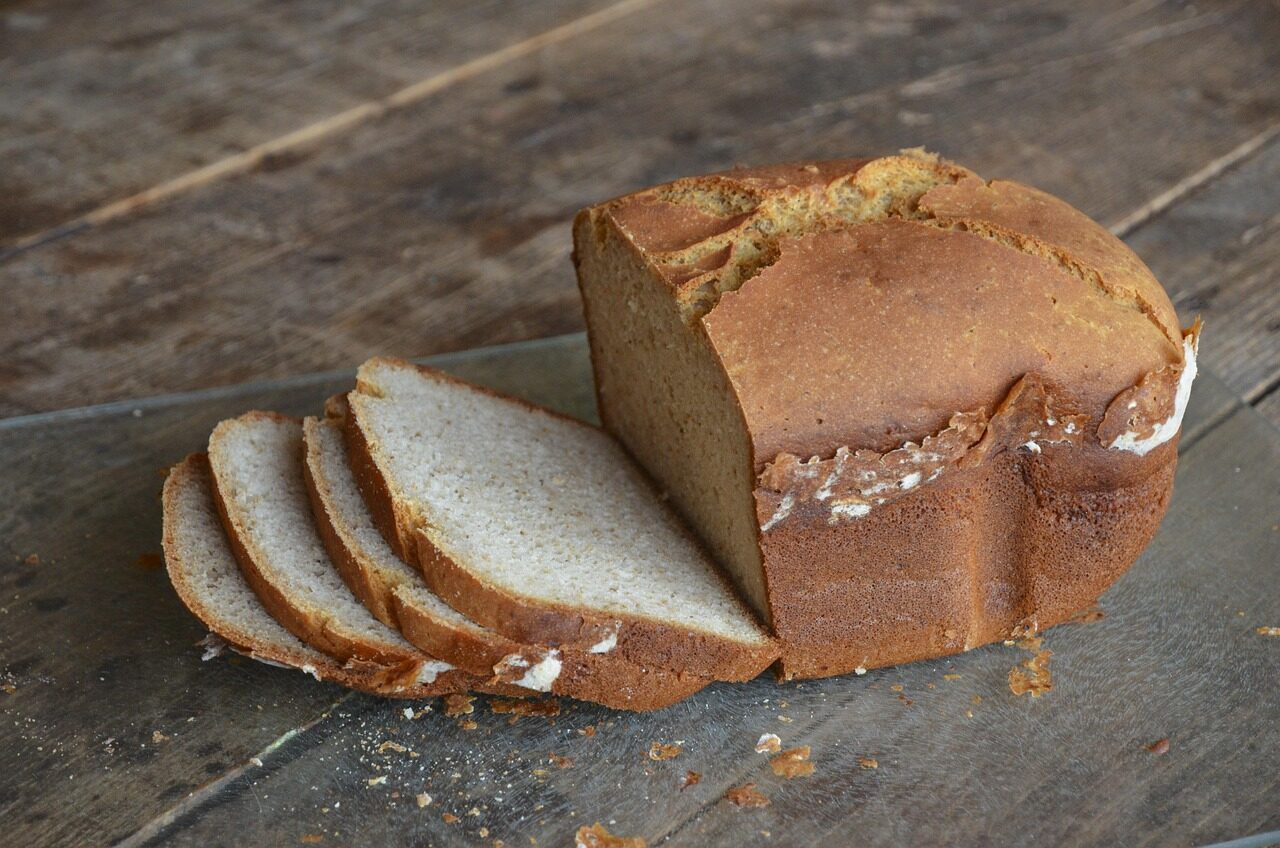
Living with food allergies or cooking for someone who does doesn’t mean sacrificing flavor, texture, or enjoyment. The right substitutes can transform recipes while keeping meals safe, nutritious, and satisfying. This comprehensive guide explores proven alternatives for common allergens, helping you navigate dietary restrictions with confidence and creativity.
Understanding Food Allergies and Substitution Basics
Food allergies affect millions of people worldwide, with the most common allergens including milk, eggs, peanuts, tree nuts, soy, wheat, fish, and shellfish. Successfully substituting ingredients requires understanding not just what to replace, but why each ingredient matters in a recipe. Eggs might provide binding, leavening, or moisture; dairy adds richness and fat; wheat gives structure and texture.
The key to successful substitution is matching the functional properties of the original ingredient while ensuring the replacement is safe for the specific allergy involved.
Dairy-Free Alternatives
Dairy allergies and lactose intolerance affect countless individuals, but numerous alternatives deliver similar results in cooking and baking.
Milk Substitutes
Plant-based milks have revolutionized dairy-free cooking. Unsweetened almond milk works beautifully in most recipes, offering a neutral flavor that doesn’t overpower other ingredients. Oat milk provides creaminess similar to whole milk, making it excellent for soups, sauces, and baked goods. Coconut milk adds richness to curries and desserts, though its distinct flavor works better in some recipes than others. Soy milk closely mimics dairy milk’s protein content, making it ideal for baking when you need structure.
For cooking, choose unsweetened varieties unless the recipe specifically calls for sweetness. Many plant milks are fortified with calcium and vitamins, providing nutritional benefits comparable to dairy milk.
Butter Replacements
Vegan butter brands have improved dramatically, with many performing identically to dairy butter in recipes. Coconut oil substitutes well in baking, providing similar fat content and moisture, though it can impart a subtle coconut flavor. For savory cooking, olive oil or avocado oil work excellently, adding healthy fats while keeping dishes dairy-free.
In baking, use butter substitutes in equal amounts. For spreading or finishing dishes, vegan butter provides the closest match to dairy butter’s flavor and texture.
Cheese Alternatives
Nutritional yeast delivers a savory, cheese-like flavor perfect for pasta dishes, popcorn, and sauces. Cashew-based cheese sauces create creamy, rich alternatives for mac and cheese or nachos—simply blend soaked cashews with nutritional yeast, lemon juice, and seasonings. Commercial vegan cheeses have improved significantly, with many melting and stretching similarly to dairy cheese.
Cream and Yogurt Substitutes
Full-fat coconut cream mimics heavy cream beautifully in both sweet and savory applications. Cashew cream, made by blending soaked cashews with water, creates a neutral-flavored alternative perfect for pasta sauces and desserts. Coconut yogurt, almond yogurt, and oat yogurt substitute directly for dairy yogurt in recipes, smoothies, and as toppings.
Egg-Free Solutions
Eggs serve multiple functions in recipes—binding, leavening, adding moisture, and providing structure. Different substitutes work better for different purposes.
Binding Agents
Flax eggs are incredibly versatile: mix one tablespoon ground flaxseed with three tablespoons water, let sit for five minutes until gel-like, then use as you would one egg. This works exceptionally well in muffins, pancakes, and cookies. Chia eggs follow the same principle using chia seeds instead of flax, providing similar binding properties with slightly different nutritional benefits.
Unsweetened applesauce replaces eggs in baked goods while adding moisture. Use a quarter cup of applesauce per egg in cakes, brownies, and quick breads. Mashed banana works similarly but adds banana flavor, making it perfect for banana bread, muffins, and pancakes where that taste complements the recipe.
Leavening Substitutes
For recipes where eggs primarily provide lift, combine one tablespoon baking powder with one tablespoon oil and two tablespoons water per egg. This creates the chemical reaction needed for baked goods to rise properly. Carbonated water can also add lightness to batters and pancakes.
Protein and Structure
Aquafaba—the liquid from canned chickpeas—whips into stiff peaks just like egg whites, making it revolutionary for meringues, mousses, and macarons. Use three tablespoons aquafaba per egg white. Commercial egg replacers, typically made from potato starch and tapioca flour, provide reliable results across various recipes.
For scrambles and omelets, silken tofu crumbled and seasoned with turmeric, nutritional yeast, and black salt creates convincingly egg-like dishes.
Nut-Free Alternatives
Tree nut and peanut allergies can be life-threatening, making safe substitutes essential.
Nut Butter Replacements
Sunflower seed butter provides similar texture and protein to peanut butter, working perfectly in sandwiches, smoothies, and baking. Tahini (sesame seed paste) offers a different flavor profile but similar consistency, excellent in sauces and dressings. Soy nut butter, made from roasted soybeans, closely mimics peanut butter when nut allergies are the concern but soy isn’t an issue.
Nut Milk Alternatives
Oat milk, rice milk, and hemp milk provide nut-free options for those avoiding almond or cashew-based beverages. These work identically in recipes calling for nut-based milks.
Baking and Cooking
Replace chopped nuts in recipes with seeds like pumpkin seeds, sunflower seeds, or toasted oats for crunch and texture. Coconut flakes add texture to granola and baked goods. For nut flour alternatives, sunflower seed flour or oat flour can substitute in many recipes, though ratios may need adjustment.
Gluten-Free Options
Wheat allergies and celiac disease require complete gluten elimination, but numerous alternatives deliver excellent results.
All-Purpose Flour Substitutes
Commercial gluten-free flour blends designed for one-to-one substitution simplify baking dramatically. These typically combine rice flour, tapioca starch, and potato starch with xanthan gum for binding. Alternatively, create your own blend using two parts white rice flour, two-thirds part potato starch, and one-third part tapioca flour.
Almond flour works beautifully in cookies, cakes, and crusts, adding moisture and protein. Coconut flour absorbs significantly more liquid than wheat flour, so use about one-quarter to one-third the amount and increase liquid ingredients accordingly. Oat flour provides mild flavor and works well in muffins, pancakes, and quick breads—ensure oats are certified gluten-free to avoid cross-contamination.
Bread and Pasta Alternatives
Gluten-free bread has improved remarkably, with many brands offering texture and flavor rivaling wheat bread. Rice-based, quinoa-based, and chickpea-based pastas provide excellent alternatives, each offering unique nutritional profiles and textures. Spiralized vegetables create grain-free “noodles” perfect for low-carb, gluten-free meals.
Thickening Agents
Replace wheat flour as a thickener with cornstarch, arrowroot powder, or tapioca starch. Use about half the amount you would use for wheat flour, as these alternatives have stronger thickening power. Mix with cold water before adding to hot liquids to prevent clumping.
Soy-Free Replacements
Soy allergies require avoiding soy sauce, tofu, tempeh, and numerous processed foods containing soy derivatives.
Soy Sauce Alternatives
Coconut aminos provide similar umami flavor to soy sauce with slightly less sodium. Tamari made from non-soy sources or liquid aminos work well in marinades, stir-fries, and dipping sauces. For a budget-friendly option, mix Worcestershire sauce with water, though check labels carefully as many Worcestershire sauces contain soy.
Protein Alternatives
Replace tofu with chickpeas, lentils, or beans in recipes. Seitan (wheat gluten) works excellently for those without gluten sensitivities. Portobello mushrooms provide meaty texture in burgers and stir-fries. Cauliflower and jackfruit create versatile bases for various preparations.
Shellfish and Fish Alternatives
Seafood allergies require careful substitution, especially in recipes where fish or shellfish provide signature flavors.
Flavor Substitutes
Dulse flakes, nori, and kelp powder add ocean-like flavor to dishes without containing fish or shellfish. These work wonderfully in chowders, fish-free tacos, and vegan sushi. Mushrooms, particularly king oyster mushrooms, provide satisfying texture in dishes traditionally featuring seafood.
Omega-3 Sources
Replace the nutritional benefits of fish with flaxseeds, chia seeds, hemp seeds, and walnuts (if not allergic). These provide alpha-linolenic acid, a plant-based omega-3 fatty acid.
Sesame-Free Options
Sesame allergies require avoiding tahini, sesame oil, and sesame seeds commonly found in Asian and Middle Eastern cuisines.
Tahini Substitutes
Sunflower seed butter thinned with olive oil creates similar consistency to tahini in hummus and sauces. Almond butter or cashew butter work similarly if nut allergies aren’t a concern. For hummus specifically, adding extra olive oil and lemon juice compensates for missing tahini.
Sesame Oil Replacements
Toasted walnut oil or hazelnut oil provide nutty flavors similar to sesame oil. For neutral applications, avocado oil or grapeseed oil work well.
Practical Substitution Tips
Successfully navigating allergy-friendly cooking requires understanding a few key principles that ensure both safety and quality.
Read Labels Carefully
Cross-contamination during manufacturing means products labeled “dairy-free” might still contain traces of allergens. Look for certifications specifically addressing your allergy concerns. Many manufacturers voluntarily label potential cross-contamination risks.
Start Simple
When trying new substitutes, begin with simple recipes where the substitute plays a supporting role rather than starring. This builds confidence and helps you understand how each alternative behaves.
Adjust Expectations
Some substitutes perform differently than original ingredients. Gluten-free baked goods might have slightly different textures; dairy-free cheese might not melt identically. Embrace these differences rather than expecting perfect replications.
Combine Substitutes Strategically
Sometimes using multiple substitutes together yields better results than relying on a single replacement. Combining different gluten-free flours creates better texture than using just one; mixing binding agents can improve structure in egg-free baking.
Experiment with Ratios
Substitution isn’t always one-to-one. Keep notes on what works, adjusting amounts as needed. Coconut flour, for instance, requires significantly less volume than wheat flour due to its absorbency.
Baking-Specific Considerations
Baking involves precise chemical reactions, making successful substitution particularly challenging but absolutely achievable.
Moisture Balance
Many substitutes alter moisture levels in baked goods. Applesauce adds moisture; coconut flour absorbs it. Adjust liquid ingredients accordingly, adding tablespoons at a time until consistency looks right.
Binding and Structure
When removing eggs and gluten—both structural elements—compensate with xanthan gum, psyllium husk powder, or additional binding agents. Generally, one-quarter to one-half teaspoon xanthan gum per cup of gluten-free flour helps bind ingredients.
Temperature and Time
Gluten-free and allergy-friendly baked goods sometimes require temperature adjustments. They may brown faster on the outside while staying undercooked inside, requiring lower temperatures and longer baking times.
Nutritional Considerations
When substituting ingredients, consider nutritional implications to maintain balanced diets.
Protein Replacement
Eggs and dairy provide significant protein. When eliminating these, incorporate protein-rich alternatives like legumes, quinoa, hemp seeds, or protein powders appropriate for specific allergies.
Calcium and Vitamins
Many dairy alternatives are fortified with calcium and vitamin D, but not all. Check labels to ensure nutritional needs are met, or consider supplements after consulting healthcare providers.
Healthy Fats
Nuts provide beneficial fats, so when avoiding them, incorporate seeds, avocados, and plant oils to maintain adequate fat intake.
Building an Allergy-Friendly Pantry
Stocking your kitchen with versatile substitutes simplifies daily cooking and makes allergy-friendly eating less stressful.
Keep multiple types of alternative flours, various plant-based milks, egg replacers, and alternative butters on hand. Having options available prevents last-minute grocery runs when inspiration strikes or unexpected guests arrive. Store ground flaxseed and chia seeds in the refrigerator to maintain freshness. Keep your pantry organized with clear labels, especially important when cooking for multiple allergies or in households where some members have allergies while others don’t.
Restaurant and Social Situations
Navigating food allergies extends beyond home cooking. When dining out, communicate allergies clearly to restaurant staff, asking specific questions about ingredients and preparation methods. Many restaurants now accommodate allergies willingly, offering modifications or alternative menu items. Carrying cards listing specific allergies in clear terms helps ensure nothing gets overlooked.
For social gatherings, bringing allergy-friendly dishes ensures safe options while introducing others to delicious alternatives they might not have tried otherwise.
Embracing Allergy-Friendly Cooking
Food allergies require adjustments, but they also open doors to discovering new ingredients, flavors, and cooking techniques. The expanding market for allergy-friendly products means better options appear constantly. Online communities provide recipe ideas, substitution tips, and support from others navigating similar challenges.
Successful allergy-friendly cooking comes from understanding ingredients, experimenting fearlessly, and recognizing that different doesn’t mean inferior. With the right substitutes and techniques, every meal can be safe, nutritious, and thoroughly enjoyable. Whether you’re adapting family recipes or exploring entirely new cuisines, these alternatives empower you to cook confidently without compromising safety or satisfaction.