
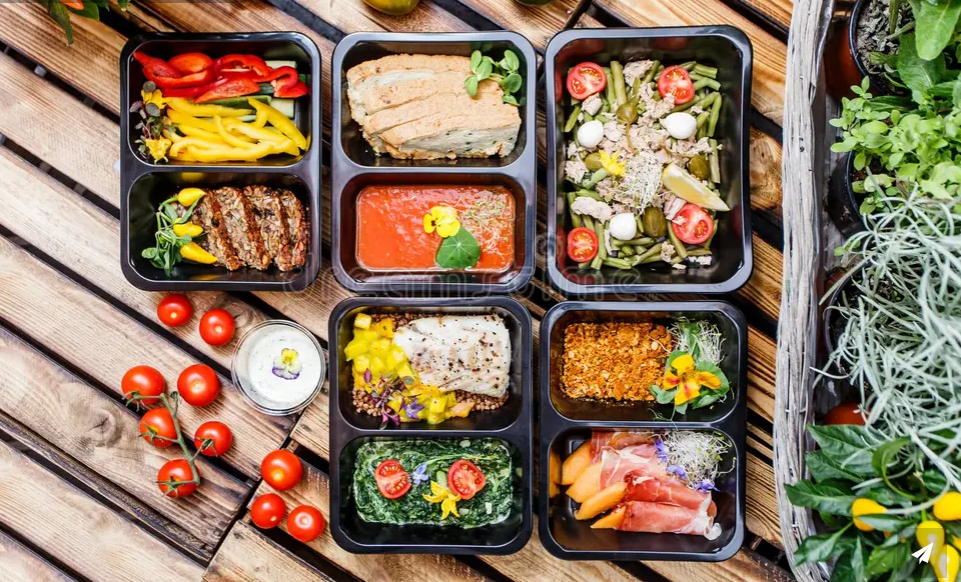
Nutrition Food Delivery
Eating healthy sounds easy until real life shows up. Work deadlines, long commutes, family duties, and tired evenings can push nutrition to the last place. That is where Nutrition Food Delivery becomes useful. It is not only about convenience. It is about making healthy food easier to access, easier to follow, and easier to repeat every day. A good delivery plan can support weight goals, fitness goals, medical needs, and even simple energy improvement, because consistent meals often create consistent results.
Many people fail with healthy eating because they depend on willpower alone. A smarter approach is to build a system. When meals are planned and delivered, you reduce daily decision stress, reduce last-minute junk choices, and increase the chance of staying on track. The goal is not perfection. The goal is steady progress with food that fits your lifestyle.
Why Nutrition Food Delivery is growing in the USA
Modern life is busy, and many people want healthier meals without spending hours shopping, cooking, and cleaning. Delivery services also help people who struggle with portion control, grocery temptation, and late-night snacking.
Healthy meals can still be tasty. When menus are designed properly, you get balanced protein, smart carbs, and healthy fats without feeling deprived. That balance is the base of good nutrition.
Nutrition Food Delivery: What It Usually Includes and How It Works
Nutrition Food Delivery can mean different things depending on the provider. Some plans deliver fully cooked meals that you heat and eat. Others deliver prepared ingredients for quick cooking. Some plans are weekly, while others are daily. The best choice depends on your schedule, cooking comfort, budget, and health needs.
A typical plan starts with a meal preference selection. You may choose calorie ranges, diet styles, or special needs like high-protein or low-sodium. Then meals arrive in labeled containers with basic instructions. This structure reduces confusion and makes healthy eating feel simple.

Types of Nutrition Food Delivery styles
-
Fully prepared meals you only heat
-
Meal kits with measured ingredients
-
Bulk plans like proteins and sides for mixing
-
Custom plans for medical or allergy needs
-
Family-style plans for shared meals
Nutrition Food Delivery: Who Can Benefit the Most
Healthy eating needs consistency. That is why many different people benefit from delivery. Some want weight management. Some want muscle gain. Some need stable meals for medical reasons. Others simply want better daily energy.
Busy professionals benefit because it saves time. Students benefit because it reduces junk food dependence. Parents benefit because it lowers daily cooking stress. Older adults benefit because it supports nutrition without heavy kitchen work.
Common goals supported by Nutrition Food Delivery
-
Weight loss through portion control
-
Fitness support through balanced protein intake
-
Better digestion through simple ingredient meals
-
Blood sugar support through planned carbs
-
Heart-friendly eating through controlled salt and fat
Nutrition Food Delivery: How to Choose the Right Plan Without Guessing
Many people choose a plan based only on price or photos. That often leads to disappointment. A better approach is to judge a plan using practical points that affect real results: portion size, ingredient quality, menu variety, and how it fits your daily routine.
Start with your schedule. If you cannot cook, do not choose a cooking-heavy plan. If you get bored easily, choose a plan with rotating menus. If you have health limits, prioritize clear labels and nutrition facts.
Quick checklist before you subscribe
-
Clear nutrition labels for every meal
-
Ingredients list that you can understand
-
Portion sizes that match your goal
-
Enough menu variety for at least 2–3 weeks
-
Easy delivery schedule that fits your week
-
Simple cancellation or pause option
Nutrition Food Chart: Why It Still Matters Even With Delivery
Even when meals arrive ready, you still need a basic understanding of nutrition. That is where a Nutrition Food Chart helps. It gives you a simple way to understand what your body needs and what different foods provide.
A food chart is not about strict rules. It is about awareness. When you understand food groups and portion balance, you can make better choices even outside the delivery plan. That prevents the common problem of “healthy weekdays, unhealthy weekends.”
What a Nutrition Food Chart typically shows
-
Food groups and their basic role
-
Suggested serving sizes
-
Common nutrient sources like protein and fiber
-
Simple portion guidance for meals
-
Balance ideas for daily eating
Nutrition Food Delivery: The Balanced Plate Method for Everyday Meals
A simple method to follow is the balanced plate approach. You do not need advanced nutrition knowledge. You just need a repeatable structure. Many healthy meal plans follow this naturally.
A balanced plate usually includes a protein source, a fiber-rich carb, healthy fats, and vegetables. When a meal has this mix, it often keeps you full longer and helps reduce cravings.
Balanced meal structure in plain words
-
Protein: helps repair and build body tissues
-
Carbs: give energy, especially when fiber-rich
-
Fats: support hormones and long-lasting fullness
-
Vegetables: provide vitamins, minerals, and fiber
Nutrition Food Chart: Simple Table for Daily Meal Balance
| Food Group | Examples | Why It Helps | Easy Portion Tip |
|---|---|---|---|
| Protein | chicken, fish, eggs, beans | muscle support, fullness | palm-size |
| Smart Carbs | oats, brown rice, sweet potato | steady energy | fist-size |
| Vegetables | leafy greens, carrots, peppers | vitamins and fiber | half plate |
| Healthy Fats | olive oil, nuts, avocado | hormone and brain support | thumb-size |
| Hydration | water, herbal drinks | digestion and energy | sip often |
| This Nutrition Food Chart style table helps you check balance quickly without counting every calorie. |
Nutrition Food Delivery: Portion Control Without Feeling Hungry
Portion control often sounds like eating less, but it is really about eating smarter. Meals that include enough protein and fiber tend to keep people full. Meals that are mostly refined carbs often lead to hunger again soon.
A good delivery plan builds portion control into the container size. This helps you avoid overeating without using mental effort. Over time, your body adapts to healthy portions, and cravings reduce naturally.
Signs your portion is working for you
-
You feel satisfied after eating
-
You do not snack heavily right after meals
-
Your energy stays steady for 2–3 hours
-
You do not feel extreme hunger at night
Nutrition Food Delivery: Weight Loss Support Without Extreme Dieting
Many people want weight loss, but extreme dieting often fails because it is hard to maintain. Nutrition Food Delivery can support sustainable weight loss by keeping meals consistent and reducing impulsive choices.
The key is not starving. The key is consistent calorie control and balanced nutrients. When meals are planned, you avoid hidden calories from sauces, fried snacks, and oversized restaurant portions.
Practical weight loss habits that work with delivery
-
Eat meals at similar times each day
-
Avoid skipping breakfast if it triggers overeating later
-
Include protein in every meal
-
Drink water before snacks
-
Keep weekend meals consistent, not chaotic
Nutrition Food Chart: Middle Table for “High Value” Nutrients
| Nutrient | Why It Matters | Food Sources | Simple Tip |
|---|---|---|---|
| Fiber | digestion, fullness | beans, oats, veggies | add vegetables twice daily |
| Protein | repair, strength | eggs, fish, tofu | include in every meal |
| Iron | energy support | spinach, lentils, meat | pair with vitamin C foods |
| Calcium | bone strength | yogurt, greens | include daily |
| Omega fats | brain and heart support | nuts, fish | add 2–3 times weekly |
| This Nutrition Food Chart table helps you focus on nutrients that make a real difference in energy and health. |
Nutrition Food Delivery: Eating for Energy and Focus
Food affects your brain too. Many people feel sleepy or unfocused after heavy meals high in refined carbs and low in protein. Balanced meals tend to improve focus and reduce afternoon crashes.
Healthy delivery meals can support better work performance because they reduce sugar spikes and help maintain stable energy.
Simple energy-friendly meal habits
-
Choose meals with vegetables and protein
-
Avoid too many sweet drinks
-
Add healthy fats in small amounts
-
Keep snacks simple like fruit or nuts
Nutrition Food Delivery: How to Handle Cravings and Snacks
Cravings are normal. The goal is not to eliminate them completely. The goal is to manage them without breaking your routine. Delivery meals help because your main meals are already planned.
When cravings hit, choose a small snack that fits your goal. Many people over-snack because they wait too long to eat. Regular meals reduce this.
Snack ideas that fit balanced eating
-
Greek yogurt or curd-style yogurt
-
Fruit with a small handful of nuts
-
Boiled eggs
-
Roasted chickpeas
-
Vegetable sticks with a simple dip
Nutrition Food Delivery: Special Diet Needs and Food Sensitivities
Many people need meals for specific reasons. Some need low-sodium options. Some need gluten-free meals. Some need dairy-free meals. A good delivery plan should clearly label ingredients and allergens.
Always read labels carefully. If you have medical conditions, it is safer to follow professional advice before choosing a diet plan.
Diet styles often offered in meal plans
-
High-protein plans for fitness
-
Low-carb plans for blood sugar support
-
Plant-based plans for lifestyle choice
-
Low-sodium meals for heart support
-
Simple ingredient meals for sensitive digestion
Nutrition Food Delivery: Cost vs Value Thinking
People often compare delivery cost to home cooking and think delivery is expensive. But value includes time saved, fewer grocery waste items, fewer unhealthy orders, and reduced impulse snacking.
If delivery helps you avoid frequent fast food, it can feel more affordable over time. The best approach is to try a short plan first, track results, and then decide.
Ways to keep costs under control
-
Choose fewer meals per week and cook simple meals on other days
-
Use delivery for weekdays only
-
Avoid add-on snacks you do not need
-
Freeze extra meals when possible
Nutrition Food Chart: How to Use It Weekly, Not Only Once
A Nutrition Food Chart is most useful when you apply it weekly. You can review your meals and check if you are getting enough vegetables, protein, and fiber.
Even with delivery, you may eat outside sometimes. The food chart helps you balance those meals. If lunch was heavy, make dinner lighter. If you skipped vegetables, add them next meal.
A weekly habit that improves nutrition
-
Pick two vegetables you will eat daily
-
Choose one protein you enjoy and repeat it
-
Add one high-fiber carb you can handle
-
Keep one healthy snack ready
Nutrition Food Delivery: EEAT Section for Trust and Safety
This guide focuses on practical nutrition basics that many healthy eating plans follow: balanced meals, portion control, fiber intake, hydration, and consistent routines. It avoids extreme claims and does not promise medical results. That makes it safer for readers and better for long-term trust.
Experience shows most people fail not due to lack of knowledge, but due to lack of structure. Delivery creates structure by removing daily food decisions. Expertise is shown through clear explanations of nutrients and meal balance. Authority is built by focusing on standard, safe nutrition principles. Trust is supported by encouraging label reading, realistic goals, and professional advice for medical conditions.
This is educational content only and is intended to support better decisions in daily life.
Nutrition Food Delivery: Conclusion (200 Words with Bullet Points)
Nutrition Food Delivery helps people eat healthier by making good meals easier to access and easier to repeat. Instead of guessing what to cook daily, you follow a structured plan that supports balance and portion control. When meals include protein, fiber-rich carbs, vegetables, and healthy fats, your body often feels more stable and your cravings reduce over time. A Nutrition Food Chart adds extra support because it helps you understand what your body needs and how to balance meals even when you eat outside your plan.
Healthy eating becomes simpler when you create systems instead of depending on motivation alone. Delivery can act as that system, especially for busy adults, students, and families who struggle with time and consistent meal planning.
Key takeaways to remember:
-
Nutrition Food Delivery saves time and reduces junk food decisions
-
Nutrition Food Chart helps you build balanced meals without confusion
-
Portion control works better when meals include protein and fiber
-
Consistency matters more than strict dieting
-
Simple weekly reviews help you stay on track without stress
If you keep meals steady
Nutrition Food Delivery: FAQs
What is Nutrition Food Delivery in simple words?
Nutrition Food Delivery is a service that delivers planned meals designed to support healthy eating goals.
Can delivery meals help with weight loss?
They can help by controlling portions and reducing impulsive eating, if you stay consistent.
What is a Nutrition Food Chart used for?
A Nutrition Food Chart helps you understand food groups, nutrients, and balanced meal portions.
Do I still need to track calories with delivery meals?
Not always. Many people succeed by focusing on portion balance and consistency instead of strict calorie counting.
Are these meal plans suitable for busy workers?
Yes, delivery is often most useful for people with limited time for cooking.
How many meals per week should I start with?
Many people start with 5–10 meals per week and adjust based on routine and budget.
Can I use delivery and still eat outside sometimes?
Yes. Use the food chart to balance other meals and avoid turning one meal into a full day of overeating.
What should I check before ordering a plan?
Check ingredients, allergens, nutrition labels, portion sizes, and delivery schedule.
Is a Nutrition Food Chart useful for kids and families?
Yes, it can help families build balanced plates without complicated rules.
How long should I follow a meal plan to see results?
Many people notice changes in energy and routine within a few weeks, but results depend on lifestyle and consistency