
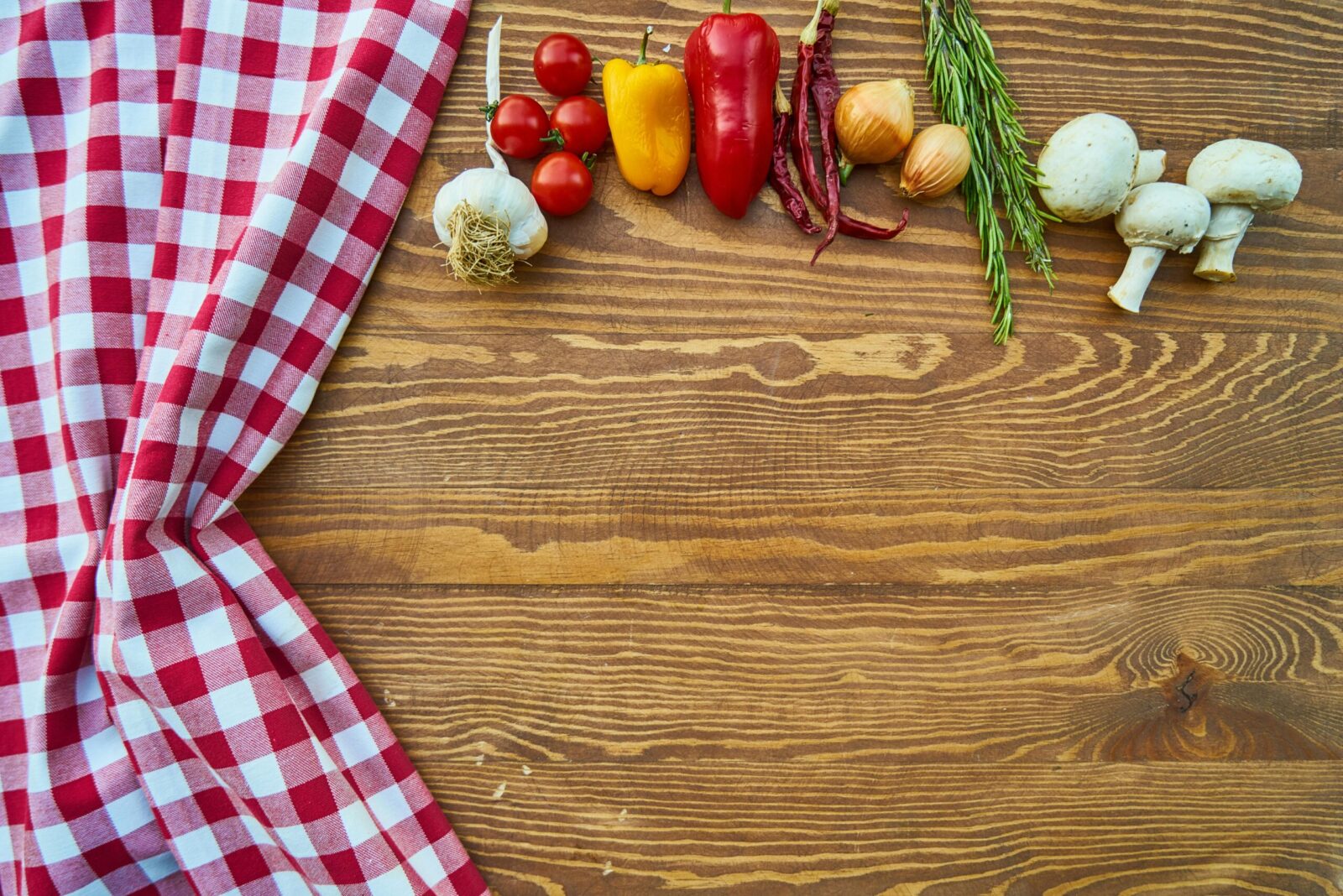
Cooking with seasonal produce transforms everyday meals into vibrant, nutritious experiences. In 2025, with growing emphasis on sustainability and health, more home cooks are turning to farmers’ markets and local sources for ingredients at their peak. Seasonal fruits and vegetables offer superior flavor, higher nutrient density, lower costs, and reduced environmental impact compared to out-of-season imports.
Benefits include enhanced taste from natural ripening, boosted vitamins and antioxidants, support for local farmers, and a smaller carbon footprint from shorter transport. Whether you’re meal-prepping hearty winter soups or light summer salads, aligning recipes with the seasons encourages creativity and variety.
This guide focuses on the Northern Hemisphere (primarily US regions), where availability varies slightly by climate. Use apps or local charts for precision. Below, explore each season’s highlights, key produce, and simple recipe ideas.
Winter: Hearty Roots and Bright Citrus (December–February)
Winter produce focuses on storage crops and citrus for comforting, immune-boosting dishes.
Key Produce: Brussels sprouts, kale, carrots, sweet potatoes, beets, winter squash (butternut, acorn), cabbage, leeks, oranges, grapefruit, lemons, mandarins, pomegranates, pears, kiwis.
Cooking Tips: Roast roots for caramelization; use citrus for brightness in savory dishes.
Recipe Ideas:
- Roasted Brussels sprouts with pomegranate seeds and balsamic glaze.
- Citrus-kale salad with grapefruit segments, nuts, and olive oil dressing.
- Butternut squash soup blended with leeks and ginger.
- Sweet potato and black bean chili for cozy weeknights.
- Carrot-ginger immune-boosting soup.
Winter meals nourish with warmth and vitamin C.
Spring: Fresh Greens and Early Harvests (March–May)
Spring brings tender greens and the first bursts of color after winter.
Key Produce: Asparagus, artichokes, peas (snow, snap), radishes, spinach, lettuce, strawberries, rhubarb, fennel, ramps, green onions, broccoli.
Cooking Tips: Keep preparations light—steam, sauté, or eat raw to preserve delicacy.
Recipe Ideas:
- Asparagus and pea risotto with lemon zest.
- Strawberry-rhubarb crisp (or gluten-free bars) for dessert.
- Fresh spring salad with radishes, fennel, and artichoke hearts.
- Sautéed ramps and spinach as a side or pasta topping.
- Broccoli and green onion frittata for brunch.
Spring cooking celebrates renewal with crisp textures.
Summer: Abundance of Juicy Fruits and Veggies (June–August)
Summer overflows with vibrant, hydrating produce perfect for grilling and no-cook meals.
Key Produce: Tomatoes, zucchini, cucumbers, corn, eggplant, bell peppers, berries (blueberries, blackberries, raspberries), peaches, plums, watermelon, melons, basil, cherries, green beans.
Cooking Tips: Grill veggies; make salsas or salads; preserve extras.
Recipe Ideas:
- Caprese salad with heirloom tomatoes, basil, and mozzarella.
- Grilled zucchini and eggplant with corn salsa.
- Peach and berry cobbler or fresh fruit salad.
- Gazpacho with cucumbers, tomatoes, and peppers.
- Stir-fried green beans with garlic and summer squash.
Summer dishes keep things cool and colorful.
Fall: Earthy Flavors and Harvest Bounty (September–November)
Fall highlights sweet roots and orchard fruits for transitional comfort food.
Key Produce: Apples, pears, pumpkins, squash, potatoes, cauliflower, broccoli, kale, cabbage, cranberries, grapes, figs, mushrooms, sweet potatoes.
Cooking Tips: Bake, roast, or stew; incorporate warming spices.
Recipe Ideas:
- Apple and pear crisp with oatmeal topping.
- Roasted cauliflower and sweet potato curry.
- Pumpkin soup or stuffed pumpkins.
- Kale and cranberry salad with nuts.
- Mushroom and broccoli stir-fry or risotto.
Fall cooking bridges summer freshness with winter heartiness.
Tips for Successful Seasonal Produce Cooking
- Shop local: Visit farmers’ markets or join a CSA for the freshest picks.
- Store properly: Keep roots cool and dark; refrigerate berries loosely.
- Experiment: Try new varieties or preserve (can, freeze) abundance.
- Meal plan: Build menus around weekly hauls for less waste.
- Adapt regionally: Southern US has longer summers; Northern shorter growing seasons.
- Sustainability: Reduce waste by using stems, peels in stocks.
Cooking seasonally in 2025 connects you to nature’s rhythms, elevates flavors, and supports health and the planet. Start with one seasonal swap per week—your meals (and wallet) will thank you. Enjoy the ever-changing bounty!