
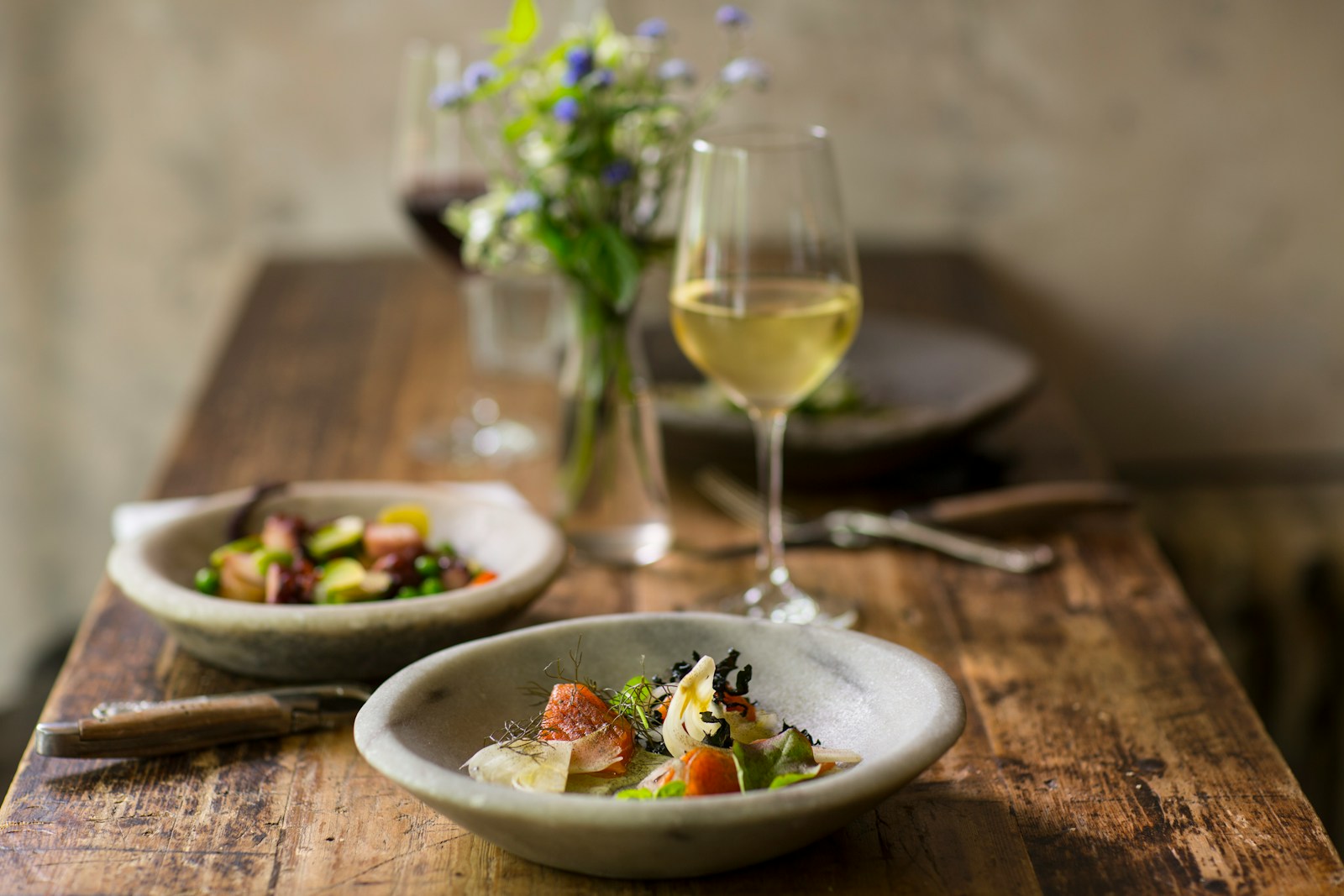
In 2025, wine and food pairing remains a beloved art that elevates everyday meals and special occasions alike. With global trends leaning toward sustainable wines, vegan dishes, and bold international flavors, mastering pairings can transform your dining experience. Whether you’re hosting a holiday feast or a casual dinner, the right wine complements flavors, balances textures, and creates harmony on the palate.
This comprehensive guide shares essential wine and food pairing tips, classic rules, expert recommendations, and a handy chart. From sommelier insights to beginner-friendly advice, discover how to pair like a pro.
Basic Principles of Wine and Food Pairing
Great pairings follow two approaches: complementary (matching similar flavors) or contrasting (opposing elements for balance).
Key rules from experts:
- Match intensity: Light wines with delicate foods; bold wines with rich dishes.
- Pair with the sauce: Often more important than the protein (e.g., red wine reduction with Merlot).
- Acidity cuts fat: High-acid wines brighten creamy or oily foods.
- Tannins tame protein: Bold reds soften with steaks.
- Sweet with sweet or spicy: Dessert wines for sweets; off-dry for heat.
- What grows together, goes together: Regional classics like Chianti with Italian pasta.
In 2025, sommeliers emphasize flexibility—personal taste trumps strict rules.
Classic Red Wine Pairings
Red wines shine with hearty meals.
- Cabernet Sauvignon: Grilled ribeye, lamb, aged cheddar—tannins balance fat.
- Pinot Noir: Salmon, duck, mushrooms—light and versatile.
- Merlot: Pork with fruity sauce, pasta, roasted vegetables.
- Syrah/Shiraz: Peppery steak, barbecue, dark chocolate.
White Wine Pairings
Crisp whites refresh lighter fare.
- Sauvignon Blanc: Goat cheese, seafood, salads, herbs.
- Chardonnay (oaked): Creamy pasta, lobster, roast chicken.
- Riesling (dry/off-dry): Spicy Asian, pork, turkey.
- Pinot Grigio: Light fish, appetizers, summer salads.
Rosé, Sparkling, and Dessert Wines
Versatile options for any occasion.
- Rosé: Salads, grilled fish, charcuterie—perfect for light meals.
- Sparkling/Champagne: Oysters, fried foods, cheese platters—bubbles cleanse the palate.
- Dessert Wines (Port, Sauternes): Chocolate, blue cheese, fruit tarts—sweeter than the dessert.
Wine and Food Pairing Chart
Quick reference for popular matches:
| Food Category | Recommended Wines | Why It Works |
|---|---|---|
| Red Meat (Steak, Lamb) | Cabernet Sauvignon, Syrah, Malbec | Tannins cut fat, bold flavors match |
| Poultry (Chicken, Turkey) | Chardonnay, Pinot Noir, Riesling | Balances richness or herbs |
| Seafood/Fish | Sauvignon Blanc, Pinot Grigio, Chardonnay | Acidity refreshes, light body |
| Pasta/Creamy Sauces | Chardonnay, Pinot Noir | Creamy texture harmony |
| Spicy/Asian | Off-dry Riesling, Gewürztraminer | Sweetness tempers heat |
| Cheese | Varies: Goat (Sauv Blanc), Cheddar (Cab) | Acid/tannins complement |
| Desserts/Chocolate | Port, Late Harvest, Sparkling | Sweetness balances |
| Salads/Light Meals | Rosé, Sauvignon Blanc | Crisp and refreshing |
Expert Tips for 2025
- Experiment boldly: Break rules—like Champagne with steak.
- Consider vegan/global trends: Plant-based? Try natural wines or lighter reds.
- Holiday pairings: Sparkling for appetisers, versatile Pinot for mixed plates.
- Avoid pitfalls: No heavy tannins with artichokes; match sweetness levels.
- Pro advice: Pair by weight, acidity, and dominant flavour.
Conclusion: Elevate Your Meals with Perfect Pairings
Wine and food pairing tips unlock new dimensions in flavour—start with classics, then trust your palate. In 2025, embrace diversity: sustainable bottles, unexpected combos, and what you love most. Cheers to memorable meals!